
The Role of Luck in Casino Games
Luck is often viewed as the primary force that determines outcomes in casinos. Many games, particularly slot machines and roulette, are largely based on chance, where players have minimal control over results. For instance, when playing a slot machine, the arrangement of symbols is entirely random, making it essential for players to rely on luck to achieve a win. In the world of gambling, online casino new zealand offers numerous options that enhance this unpredictable nature, appealing to many, as it presents the potential for significant rewards without the necessity for particular skills or strategies.
Despite the randomness associated with many casino games, the psychology behind gambling cannot be overlooked. Players frequently believe they can influence their luck through various superstitions or rituals, such as wearing specific clothing deemed “lucky” or employing unique betting patterns. While these beliefs do not genuinely affect the outcome, they can influence a player’s mindset and approach to the game, enhancing their overall enjoyment. Recognizing the role of luck is essential for players to maintain realistic expectations when engaging with casino games.
While luck undeniably plays a crucial role in many casino experiences, it is vital to note that not every game is solely chance-based. Skill-based games like poker and blackjack allow players to utilize strategies that can significantly affect the odds and outcomes. This understanding highlights a more nuanced perspective on gambling, where players can leverage informed decisions alongside the luck factor, ultimately leading to a richer and more rewarding gaming experience.
The Importance of Strategy in Casino Games
Strategy becomes increasingly vital in casino games where skill can influence outcomes, such as in poker and blackjack. In these games, players must make informed choices based on available information and the behavior of other players. For example, in poker, a player’s success hinges on their ability to analyze not only their own cards but also the actions and tendencies of their opponents. This strategic depth allows skilled players to outmaneuver less experienced competitors, thereby enhancing their chances of securing a win.
In blackjack, utilizing basic strategy charts can guide players on the optimal decisions regarding when to hit, stand, double down, or split pairs. These strategies are deeply rooted in the statistical probabilities of drawing certain cards and can significantly reduce the house edge. Players who invest the time to learn and internalize these strategies often find themselves improving their gameplay and overall odds of winning. This illustrates that while luck plays a role, a solid understanding of strategy can be the deciding factor between consistent losses and long-term success.
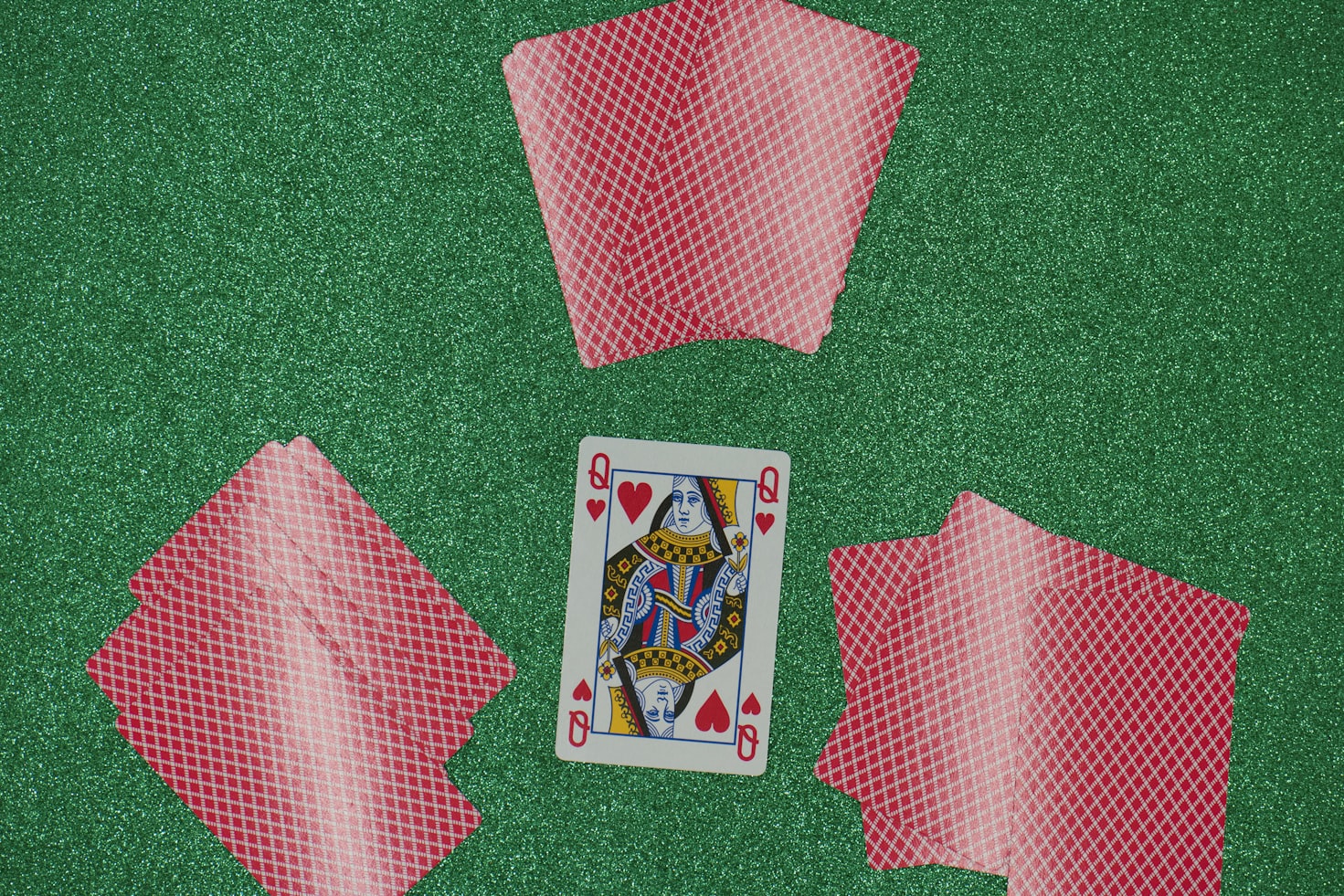
Another important aspect of strategy is bankroll management. Successful gamblers understand the importance of managing their funds wisely, setting clear limits, and adhering to them. This strategic approach allows players to enjoy their gaming sessions without the risk of overspending or depleting their bankroll too quickly. By discerning when to place larger bets and recognizing when to hold back, players can maximize their potential winnings while minimizing losses, underscoring the crucial role of strategy in the casino landscape.
Factors Influencing Luck and Strategy
Several factors interplay to influence the balance between luck and strategy in a casino environment. Game selection is a significant consideration; some games are inherently luck-driven, while others require skill and tactical thinking. For instance, while a player cannot control the outcome of a roulette spin, they can apply strategies in games like blackjack or poker, where their choices have a substantial impact on the results. Understanding the distinct nature of each game is essential for players aiming to leverage strategies effectively.
The gaming atmosphere of a casino can also affect how luck and strategy play out. The distractions present in a casino, such as loud noises and flashing lights, can significantly impact a player’s decision-making process. For example, the vibrant environment may lead to impulsive betting choices, blurring the line between calculated strategy and chance. Players must be conscious of their surroundings and strive to maintain focus to optimize their strategic decisions and mitigate the influence of luck.
Moreover, the concept of variance is critical when exploring the relationship between luck and strategy. Variance refers to the natural fluctuations in outcomes that players experience over time, driven by both their luck and strategic decisions. Even the most skilled players can encounter losing streaks due to unfavorable luck, which serves as a reminder that no strategy can guarantee success in every session. Recognizing this concept helps players manage expectations and promotes a balanced perspective on their gambling experience, emphasizing the importance of both elements in the casino setting.
Strategies to Enhance Your Casino Experience
While luck undeniably influences the outcomes in casino games, players can implement practical strategies to enhance their overall experience. One of the most crucial steps is establishing a budget before entering the casino. By determining a spending limit, players can prevent themselves from chasing losses and maintain control over their gambling behavior. This disciplined approach leads to a more enjoyable experience, alleviating stress and reducing the risk of making impulsive choices driven by desperation.

Additionally, players should take the time to understand the rules and strategies associated with the games they choose to play. This knowledge empowers them to make informed decisions, thereby increasing their chances of success while maximizing enjoyment. Many casinos offer tutorials and practice opportunities, enabling novice players to hone their skills without the pressure of financial loss. This proactive approach helps players enter the games with confidence, which can positively influence their outcomes.
Finally, the social aspect of casino gaming should not be overlooked. Engaging with other players and sharing experiences can significantly enhance enjoyment and foster meaningful connections. By building a network of fellow gamblers, players can receive support, share strategies, and cultivate a sense of community, all of which contribute to a more fulfilling gambling experience. While luck and strategy remain vital components, the social dimension adds an enriching layer to the overall casino experience.
Conclusion: Finding the Balance
In conclusion, the debate over whether luck or strategy holds more importance in a casino does not yield a definitive answer, as both elements intricately intertwine within the gaming experience. Certain games may rely heavily on luck, while others provide ample opportunities for strategic thinking and skill development. Players must understand and appreciate this balance to navigate their gambling experiences effectively and enjoyably.
The key to achieving success in the casino landscape lies in acknowledging the role of luck while also embracing strategies that can enhance gameplay. By combining knowledge, skill, and self-discipline, players can create a more enjoyable and potentially profitable gaming experience. Ultimately, the excitement of the casino comes not only from the anticipation of luck but also from the satisfaction that arises from employing strategy to improve outcomes.
This website serves as a comprehensive resource for individuals looking to delve deeper into the world of casinos and gambling. With expert insights and practical tips, it aims to assist players in understanding the complex dynamics of luck and strategy. Whether you are a seasoned gambler or just starting your journey, our content is designed to enrich your gaming experience and help you navigate the exhilarating realm of casinos with greater confidence.